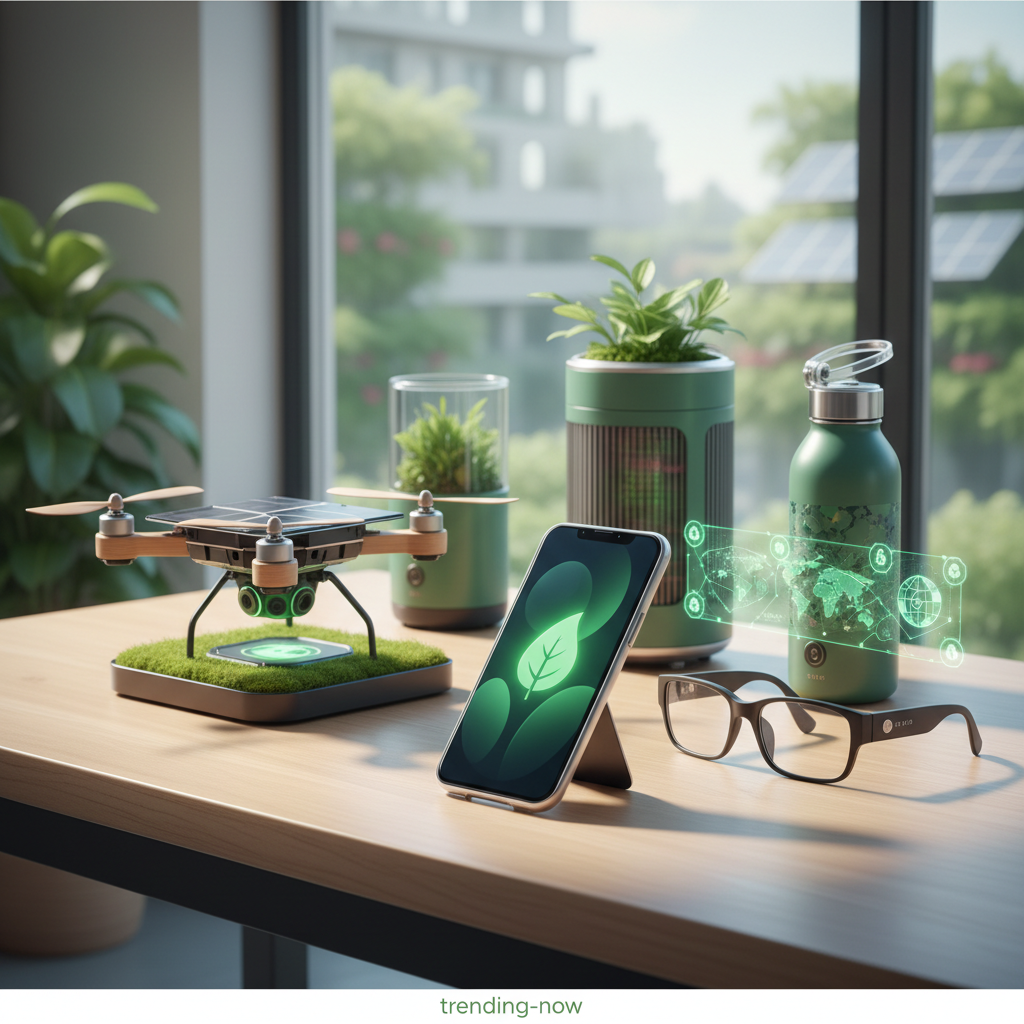
As of Monday, February 9, 2026, the planet is facing unprecedented environmental challenges, from climate change to resource depletion. In this critical era, the tech industry, often a major contributor to consumption and waste, is also emerging as a powerful force for good. But how much of this is genuine progress, and how much is clever marketing? At TrendPulsee, we've investigated the landscape of sustainable technology to bring you the definitive guide for 2026.
TL;DR: Quick Summary
- Sustainable technology focuses on minimizing environmental impact throughout a product's lifecycle.
- Genuine eco-friendly innovation goes beyond energy efficiency, considering materials, manufacturing, and end-of-life.
- Leading companies like Fairphone, Patagonia (tech division), and Framework are setting new standards.
- Consumers can make a difference by choosing repairable, energy-efficient, and ethically sourced products.
What is Sustainable Technology and Why Does it Matter?
Sustainable technology refers to innovations designed, produced, and used in a way that minimizes environmental harm and promotes social well-being. This encompasses everything from renewable energy systems to eco-friendly gadgets and manufacturing processes that reduce waste and carbon footprint. It matters because the tech industry is a significant consumer of rare earth minerals, energy, and a major producer of e-waste. According to the Global E-waste Monitor 2024, a staggering 62 million metric tons of e-waste were generated globally in 2023, with only 22.3% formally collected and recycled. This highlights the urgent need for more sustainable technology solutions.
Defining Eco-Friendly Innovation
Eco-friendly innovation isn't just about making a product energy-efficient. It's a holistic approach that considers the entire lifecycle: from sourcing raw materials ethically, through energy-efficient manufacturing, to product longevity, repairability, and responsible end-of-life recycling. True sustainability aims for a circular economy, where resources are kept in use for as long as possible, extracting maximum value, then recovered and regenerated at the end of service life. This contrasts sharply with the traditional linear 'take-make-dispose' model.
Beyond the Hype: Identifying Truly Green Gadgets in 2026
Many companies are eager to brand their products as 'green' or 'eco-friendly,' but discerning genuine efforts from mere 'greenwashing' can be challenging. Our analysis suggests that transparency, third-party certifications, and a commitment to repairability are key indicators. Read more: The Rise of Ethical Sourcing in Tech [blocked]
Leading the Charge: Companies Setting the Standard
While major players like Apple and Samsung have made strides in using recycled materials and renewable energy in operations, smaller, focused companies often lead in product-level sustainability:
- Fairphone: This Dutch social enterprise is arguably the gold standard for sustainable tech products. Their latest model, the Fairphone 6, boasts a modular design for easy repairs, ethically sourced conflict-free minerals, fair labor practices, and an impressive 8.5/10 repairability score from iFixit. They even offer a take-back program for old devices.
- Framework Laptop: This company has revolutionized the laptop market with its modular, upgradeable, and repairable laptops. Users can easily swap out components like the motherboard, screen, and battery, significantly extending the device's lifespan and reducing e-waste. Their commitment to open-source repair guides is commendable.
- Patagonia (Tech Division): While primarily known for outdoor gear, Patagonia's approach to electronics (e.g., portable power banks, solar chargers) mirrors their clothing philosophy: built to last, repairable, and made with recycled content where possible. Their Worn Wear program even encourages repairing rather than replacing.
- Solar-Powered Devices: Companies like BioLite and Goal Zero continue to innovate in portable solar chargers and lighting, making renewable energy accessible for off-grid use and emergencies. Their focus on durability and efficiency makes them stand out in the eco-conscious gadgets market.
Comparison: Sustainable vs. Conventional Smartphones
| Feature | Fairphone 6 (Sustainable) | Standard Flagship (Conventional) | Our Take |
|---|---|---|---|
| Repairability | Modular design, user-replaceable parts, high iFixit score | Often glued components, specialized tools needed, low iFixit score | Fairphone wins hands down for longevity and reduced e-waste. |
| Materials | Ethically sourced, conflict-free minerals, recycled plastics | Often vague on sourcing, less emphasis on recycled content | Fairphone's transparency and commitment to ethical sourcing is superior. |
| Software Updates | Long-term support (5+ years) | Typically 3-5 years | Longer software support extends usability, a key sustainability factor. |
| Carbon Footprint | Publicly reported, efforts to reduce across supply chain | Often limited to operational emissions, less supply chain transparency | Fairphone provides a more comprehensive view of its environmental impact. |
How Can Technology Be More Sustainable? The Future of Sustainable Tech
Making technology more sustainable requires a multi-faceted approach, focusing on design, production, and consumption. The future of sustainable tech hinges on several key areas:
- Circular Design Principles: Products designed for longevity, repairability, and recyclability from the outset. This includes modular components, standardized parts, and easily accessible repair information.
- Renewable Energy Integration: Powering data centers, manufacturing plants, and even consumer devices with 100% renewable energy. Companies like Google and Apple are already making significant progress here, aiming for carbon-neutral operations. Read more: Innovations in Renewable Energy Tech [blocked]
- Advanced Recycling & Material Innovation: Developing more efficient ways to recover valuable materials from e-waste and pioneering new, biodegradable, or sustainably sourced materials. For instance, researchers are exploring mycelium (mushroom-based) composites for packaging and even device casings.
- Software Optimization: More efficient operating systems and applications that require less processing power and thus consume less energy, extending the useful life of older hardware.
- Ethical Supply Chains: Ensuring fair labor practices and responsible sourcing of minerals, avoiding conflict minerals and exploitative mining. Blockchain technology is increasingly being explored to enhance supply chain transparency.
Dr. Anya Sharma, a leading expert in industrial ecology at the Technical University of Munich, states, "The next decade will see a paradigm shift from 'fast tech' to 'forever tech.' Consumers are demanding products that align with their values, pushing manufacturers to innovate beyond mere performance metrics to embrace true environmental stewardship." Our analysis suggests this shift is already underway, particularly in Germany, where consumer awareness is high.
Where to Buy Sustainable Electronics? A Buyer's Guide
For consumers in Germany and beyond, finding genuinely environmentally friendly electronics requires a bit of research. Here's how to navigate the market:
Key Considerations for Eco-Conscious Consumers
- Repairability Scores: Look for products with high repairability scores (e.g., from iFixit or national repair indexes). A product that can be easily fixed lasts longer.
- Certifications: Seek out certifications like EPEAT (Electronic Product Environmental Assessment Tool), TCO Certified, or Blue Angel (Blauer Engel) in Germany. These indicate adherence to strict environmental and social criteria.
- Recycled Content & Recyclability: Prioritize devices made with a high percentage of post-consumer recycled materials and those that are easily recyclable at the end of their life.
- Energy Efficiency: Check for Energy Star ratings for appliances and devices. For chargers, look for low standby power consumption.
- Company Transparency: Research the company's overall sustainability reports, supply chain practices, and commitment to renewable energy.
- Longevity & Software Support: A durable product with long-term software updates (e.g., 5+ years for smartphones) is inherently more sustainable.
Top Platforms for Sustainable Tech Purchases
- Direct from Sustainable Brands: Companies like Fairphone, Framework, and Shiftphone (a German modular smartphone brand) sell directly through their websites, ensuring you get the most sustainable options.
- Specialized Eco-Retailers: Websites and stores focusing on sustainable products often vet their inventory. Look for German retailers specializing in green electronics.
- Refurbished Marketplaces: Buying refurbished electronics from reputable sellers (e.g., Back Market, reBuy) significantly extends the life of existing devices, reducing demand for new manufacturing. This is a highly effective way to engage with sustainable technology.
Frequently Asked Questions About Eco-Friendly Innovation
What are some examples of green gadgets available today?
Green gadgets include modular smartphones like Fairphone, repairable laptops from Framework, solar-powered chargers and lights, smart home devices optimized for energy efficiency (e.g., smart thermostats), and headphones made from recycled plastics. Many modern appliances also feature eco-modes and energy-saving technologies.
How does eco-friendly innovation help the planet?
Eco-friendly innovation helps the planet by reducing resource consumption, minimizing waste (especially e-waste), lowering carbon emissions from manufacturing and use, and promoting ethical labor practices. It shifts industries towards a circular model, preserving natural resources and mitigating climate change.
Is sustainable technology more expensive?
Initially, some sustainable technology products might have a higher upfront cost due to ethical sourcing, advanced design for repairability, and smaller production scales. However, their longer lifespan, lower energy consumption, and reduced need for frequent replacements often lead to significant savings over time, making them a cost-effective choice in the long run.
Key Takeaways
- Holistic Approach: True sustainable technology considers the entire product lifecycle, not just a single aspect.
- Transparency is Crucial: Look for companies that are open about their supply chains, materials, and environmental impact.
- Repair, Don't Replace: Products designed for repairability are a cornerstone of sustainability.
- Consumer Power: Your purchasing decisions directly influence the market, driving demand for greener products.
- Beyond the Device: Sustainability extends to how tech companies operate, including their energy sources and waste management.
What This Means For You
For you, the conscious consumer, embracing sustainable technology means making informed choices that align with your values. It's about investing in products that last longer, consume less, and are made responsibly. By prioritizing repairability, energy efficiency, and ethical sourcing, you're not just buying a gadget; you're contributing to a healthier planet and a more equitable future. This shift also often means better quality and more durable products for your daily life. Read more: Smart Home Energy Solutions for 2026 [blocked]
Bottom Line: Our Verdict
The landscape of sustainable technology in 2026 is dynamic and promising. While greenwashing remains a concern, genuine eco-friendly innovation is thriving, driven by pioneering companies and increasing consumer demand. Our verdict at TrendPulsee is clear: the future of tech is sustainable, and by supporting the right brands and making informed choices, we can collectively accelerate this vital transition. It's no longer just a niche market; it's becoming the standard for responsible consumption and innovation.
Key Takeaways
- •This article covers the most important insights and trends discussed above
Sources & References
TrendPulsee
Tech journalist and content creator